Introduction to Duolingo: Language Lessons
Duolingo is a popular language-learning platform that offers a comprehensive and engaging way to learn new languages. With over 300 million users worldwide, Duolingo has become one of the most widely used language-learning apps globally. The platform provides an interactive and gamified approach to language learning, making it an ideal tool for individuals of all ages and skill levels. In this article, we will delve into the world of Duolingo and explore its features, benefits, and effectiveness in teaching language lessons.
History of Duolingo
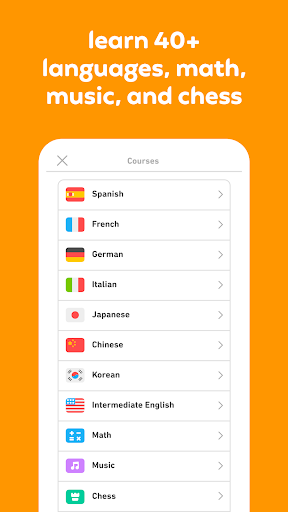
Duolingo was founded in 2011 by Luis von Ahn and Severin Hacker, with the goal of making language learning accessible and free for everyone. The platform was initially launched as a website and later expanded to mobile devices. Duolingo’s unique approach to language learning, which combines game-like features with interactive lessons, quickly gained popularity among language learners. Today, Duolingo offers courses in over 30 languages, including Spanish, French, German, Italian, Chinese, and many more.
Features of Duolingo
Duolingo’s language lessons are designed to be interactive, engaging, and easy to use. Some of the key features of the platform include:
- Personalized learning: Duolingo’s algorithm adjusts the difficulty level of lessons based on the user’s performance, ensuring that learners are always challenged but not overwhelmed.
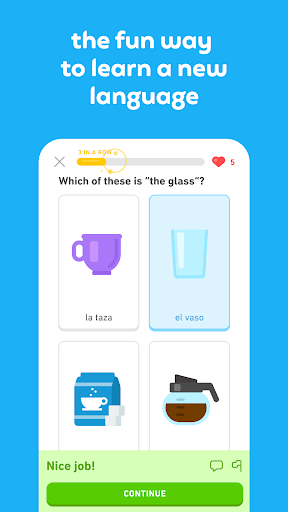
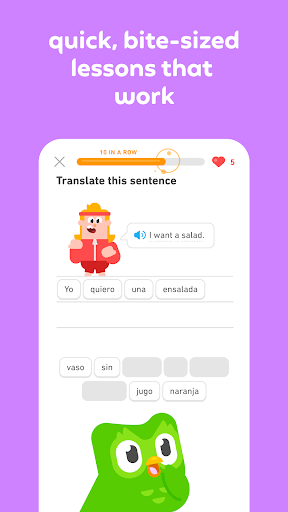
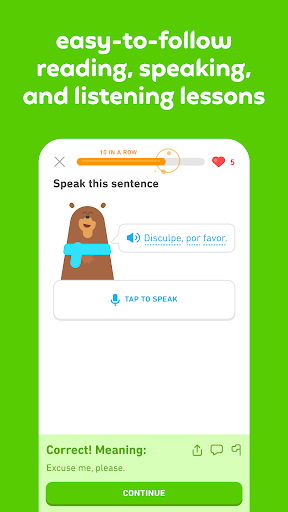
- Interactive lessons: Duolingo’s lessons include a variety of interactive exercises, such as fill-in-the-blank, multiple-choice, and speaking exercises, to help learners practice their language skills.
- Game-like features: Duolingo incorporates game-like features, such as points, badges, and leaderboards, to make language learning a fun and competitive experience.
- Real-world examples: Duolingo uses real-world examples and scenarios to teach language learners how to apply their new language skills in everyday situations.
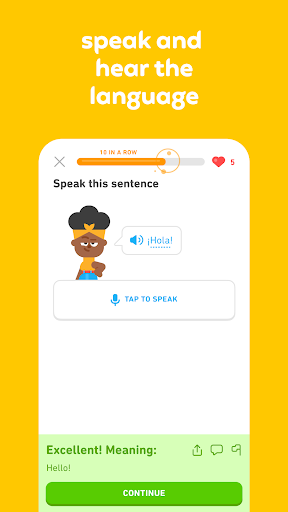
- Speech recognition: Duolingo’s speech recognition technology allows learners to practice their pronunciation and speaking skills, receiving instant feedback on their performance.
Benefits of Using Duolingo
There are many benefits to using Duolingo for language lessons, including:
- Convenience: Duolingo is available on both desktop and mobile devices, making it easy to learn a new language on-the-go.
- Affordability: Duolingo is completely free, with no ads or in-app purchases, making it an accessible option for language learners of all budgets.
- Flexibility: Duolingo’s lessons are designed to be flexible, allowing learners to study at their own pace and on their own schedule.
- Effectiveness: Duolingo’s interactive and engaging approach to language learning has been shown to be effective in improving language skills, with many users reporting significant progress in a short amount of time.
- Community: Duolingo has a large and active community of language learners, providing a sense of support and motivation for users as they work towards their language learning goals.
How Duolingo Works
Duolingo’s language lessons are structured around a variety of topics, including grammar, vocabulary, reading, writing, and speaking. The platform uses a combination of interactive exercises and games to teach these skills, with learners progressing through levels as they complete lessons and achieve milestones. Here is an overview of how Duolingo works:
- Initial assessment: When a learner first starts using Duolingo, they are given an initial assessment to determine their current language level.
- Lesson selection: Based on the learner’s level, Duolingo selects a series of lessons to help them improve their language skills.
- Interactive exercises: Each lesson includes a variety of interactive exercises, such as fill-in-the-blank, multiple-choice, and speaking exercises, to help learners practice their language skills.
- Progress tracking: Duolingo tracks the learner’s progress, providing feedback and adjusting the difficulty level of lessons as needed.
- Milestones and rewards: As learners complete lessons and achieve milestones, they are rewarded with points, badges, and other incentives to motivate them to continue learning.
Duolingo’s Teaching Methods
Duolingo’s teaching methods are based on a variety of educational theories and research, including:
- Spaced repetition: Duolingo uses spaced repetition to help learners memorize new vocabulary and grammar rules, reviewing material at increasingly longer intervals to help solidify it in their long-term memory.
- Active learning: Duolingo’s interactive exercises and games are designed to promote active learning, encouraging learners to engage with the material and take an active role in their own learning.
- Contextual learning: Duolingo teaches language learners how to use their new skills in real-world contexts, providing them with the ability to apply their knowledge in practical situations.
- Micro-learning: Duolingo’s lessons are designed to be short and focused, allowing learners to study in brief intervals and make progress towards their language learning goals.
Duolingo’s Effectiveness
Duolingo has been shown to be an effective tool for language learning, with many users reporting significant progress in a short amount of time. Studies have also demonstrated the effectiveness of Duolingo’s approach, including:
- A study by the City University of New York, which found that Duolingo was as effective as university-level language courses in teaching reading and listening skills.
- A study by the University of Michigan, which found that Duolingo was more effective than traditional language learning methods in improving vocabulary and grammar skills.
- A study by the University of California, which found that Duolingo was effective in improving language learners’ speaking and writing skills, as well as their overall language proficiency.
Conclusion
Duolingo is a powerful tool for language learning, offering a comprehensive and engaging approach to learning new languages. With its interactive lessons, game-like features, and personalized learning approach, Duolingo makes language learning fun and accessible for everyone. Whether you are a beginner or an advanced learner, Duolingo is an excellent resource for improving your language skills and achieving your language learning goals. So why not give Duolingo a try and start learning a new language today?
Additional Tips for Using Duolingo
Here are some additional tips for getting the most out of Duolingo:
- Set achievable goals: Set realistic goals for your language learning, and track your progress using Duolingo’s built-in tracking features.
- Practice regularly: Try to practice every day, even if it’s just for a few minutes, to make consistent progress towards your language learning goals.
- Focus on grammar and vocabulary: Duolingo’s grammar and vocabulary lessons are particularly effective, so be sure to focus on these areas to improve your language skills.
- Use the discussion forum: Duolingo’s discussion forum is a great resource for connecting with other language learners and getting help with difficult concepts.
- Take advantage of Duolingo’s additional features: Duolingo offers a range of additional features, including podcasts, videos, and language learning events, to help learners stay motivated and engaged.
Common Mistakes to Avoid When Using Duolingo
Here are some common mistakes to avoid when using Duolingo:
Whats News of Duolingo: Language Lessons
Our mascot owl, Duo, is trading in his usual diet of mice for bugs this week. Yup, we’re squashing those pesky bugs to make the experience better for all of you.
For more Duolingo news, contests and product releases, follow us on Facebook, Twitter, and Instagram @duolingo.
- Not practicing regularly: Consistency is key when it comes to language learning, so be sure to practice regularly to make progress towards your goals.
- Not reviewing material: Duolingo’s spaced repetition feature is designed to help learners review material at increasingly longer intervals, but it’s still important to review material regularly to solidify it in your long-term memory.
- Not using the discussion forum: The discussion forum is a valuable resource for connecting with other language learners and getting help with difficult concepts, so be sure to take advantage of it.
- Not taking advantage of Duolingo’s additional features: Duolingo offers a range of additional features, including podcasts, videos, and language learning events, to help learners stay motivated and engaged.
- Not setting achievable goals: Setting realistic goals is important for staying motivated and tracking progress, so be sure to set achievable goals and track your progress using Duolingo’s built-in tracking features.











There are no comments yet :(